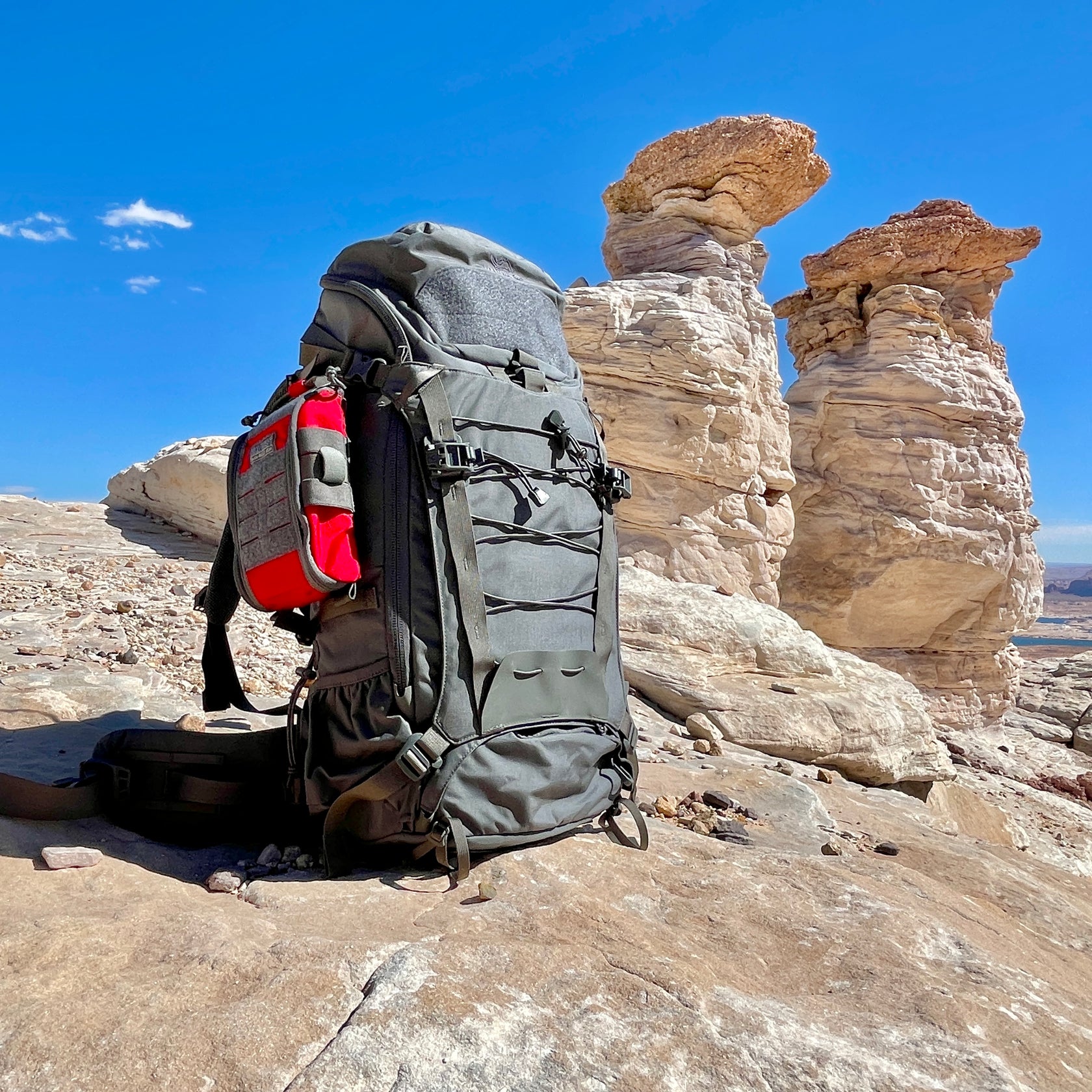


The best trauma kit is the one you actually have when it matters. A full-size medical bag in the trunk does nothing for a bleed in a parking lot. That is the entire case for the pocket IFAK: a slim, everyday-carry loadout that treats the injuries that kill fastest, sized to disappear into a pocket, waistband, or small sling.
This guide covers what a pocket IFAK can realistically hold, what to leave out, and how to carry it so it is there when you need it. If you want a ready-made starting point, the DENDRITE-SMALL waist pack and the compact kits collection are built exactly for this role.

The pocket IFAK philosophy: fewer items, faster access
A pocket kit is an exercise in ruthless prioritization. You are not carrying everything — you are carrying the items that stop preventable death: massive hemorrhage first, then airway and chest. Everything else is optional weight. The goal is a kit small enough that you never leave it behind, because a kit left at home has a 0% success rate.
What belongs in a pocket IFAK
Tourniquet
Non-negotiable. A true CAT Gen-7 is the anchor of any trauma kit, pocket-size or not. It is bulkier than the rest of your kit combined, which is why carry method matters — more on that below. If a full windlass TQ will not fit your carry, a low-profile elastic TQ holder keeps one accessible on a belt.
Compact wound packing gauze
A single roll of S-rolled gauze packs flat and handles junctional bleeds a tourniquet cannot reach. It is one of the highest-value items per cubic inch in the whole kit.
A compact chest seal
A single vented HyFin chest seal covers a penetrating chest wound and folds down small enough for a pocket kit.
Gloves
One pair of nitrile gloves, vacuum-flat, is all a pocket kit needs. PPE stays the first step no matter how small the kit.
What to leave out
Space blankets, splints, burn dressings, and bulk gauze belong in a larger kit like the AID-PAK Gen-2 that lives in your bag or vehicle. The pocket kit is the last line — the always-on layer — not the whole system. Think of it as a tiered approach: pocket IFAK on you, full kit nearby.
How to carry it so you actually have it
Carry is where most pocket IFAKs fail. Options that work:
- Ankle rig: keeps a slim kit out of the way for office or dress environments.
- Waist pack: a purpose-built medical pouch like the DENDRITE-SMALL rides on a belt and opens fast.
- Pocket organizer: a flat pouch in a cargo or jacket pocket.
- Belt-mounted tourniquet: since the TQ is the bulkiest piece, mounting it separately on your belt frees the rest of the kit to shrink.
Whatever you choose, the test is simple: if it is not comfortable enough to wear every day, you will stop wearing it.
Pocket, vehicle, or full-size?
A pocket IFAK is one layer of a complete plan. For the full landscape of kit sizes and where each fits, see our best IFAKs of 2026 guide and the what is an IFAK explainer. To make sure your pocket kit has nothing missing, cross-check it against our IFAK contents list. And since the tourniquet is the heart of the kit, drill it using our tourniquet application guide.
Frequently asked questions
Can a pocket IFAK really fit a tourniquet?
A full windlass tourniquet is bulky, so most people carry it separately — on a belt or in a dedicated holder — while the rest of the kit stays pocket-size. Some carry a flat-folded TQ in a larger cargo pocket. Either way, do not skip it.
Is a pocket IFAK enough on its own?
It is enough to control the injuries that kill in minutes, which is its whole job. Pair it with a larger kit in your bag or vehicle for everything else.
What is the smallest useful trauma kit?
A tourniquet, one roll of packing gauze, a chest seal, and gloves. That combination addresses the top preventable causes of trauma death and fits in a pouch smaller than a sunglasses case.
Where should I carry a pocket IFAK?
Somewhere consistent and reachable with either hand. Consistency matters more than the specific location — in an emergency you will reach where you always keep it.
Disclaimer: This article is for educational purposes only and is not a substitute for professional medical care or certified training. Seek qualified instruction (e.g., Stop the Bleed, TCCC) before relying on any trauma equipment.
Mentioned in this article
More stories

Gunshot Wound First Aid: What to Do in the First 5 Minutes