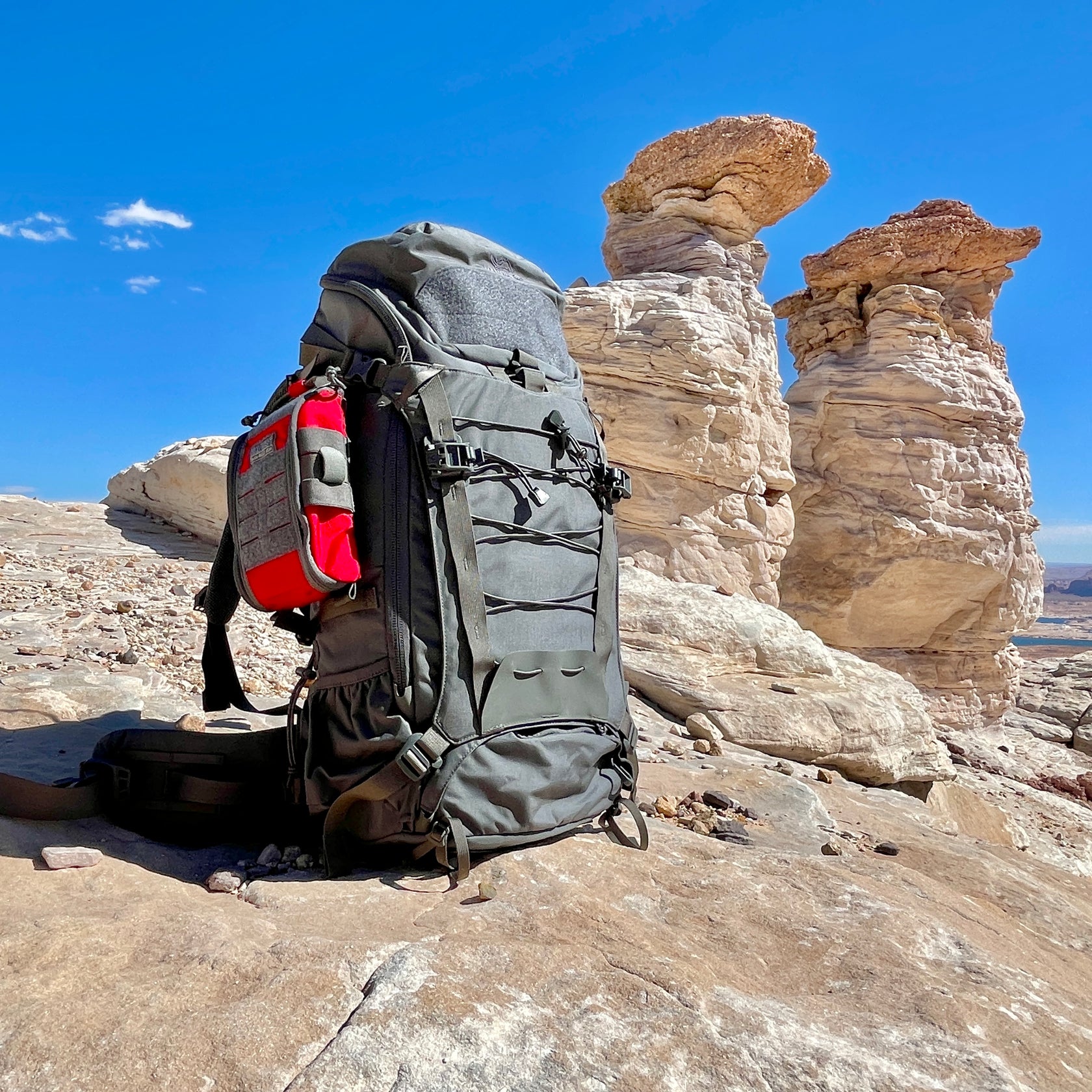


Medical preparedness gets overwhelming fast. Spend an hour online and you'll see recommendations for a hundred items, half of them things you'll never know how to use. The truth is simpler: a handful of well-chosen items and a couple of skills cover the vast majority of real emergencies. This guide lays out the first five purchases in a sensible order. It's a starting point for our complete survival medicine guide.
The principle: buy for what actually happens
Don't build a kit for a zombie apocalypse; build it for the emergencies that are statistically likely — serious bleeding from an accident, a bad fall, a kitchen or workshop injury, a car crash. That means prioritizing trauma and bleeding control first, then broadening into everyday injuries and illness. Every dollar should map to a plausible scenario, and every item should come with a plan to learn how to use it.
Purchase 1: A quality tourniquet
The single highest-value item you can own is a CoTCCC-recommended tourniquet like the C-A-T Generation 7. Life-threatening limb bleeding kills in minutes, and nothing else in a beginner kit stops it as reliably. Buy a real one — not a cheap counterfeit — and buy a second, cheaper training tourniquet so you can practice without wearing out the one that might save a life. Learn the technique in how to apply a tourniquet in under 30 seconds.
Purchase 2: Gauze and a pressure bandage
Most bleeding isn't a limb amputation — it's a deep cut, a puncture, or a wound where a tourniquet won't reach. For that you need gauze to pack the wound and a bandage to hold pressure. These are cheap, compact, and used in nearly every serious injury. The technique is in our survival medicine guide and our trauma-care bleeding article.
Purchase 3: A complete first aid kit as your base
With bleeding control covered, you need the everyday layer: bandages, antiseptic, gloves, tape, dressings, and tools. Rather than buying dozens of items piecemeal, start with a built kit and add to it. The AID-PAK bundles trauma and general first-aid supplies in one organized package, giving you a known home base you can restock over time.

Purchase 4: A carry-everywhere pocket kit
The best kit is the one you have when it happens — and a full pack stays home most of the time. A pocket-sized kit like the Pocket ACE IFAK keeps a tourniquet and gauze on your person or in your bag, closing the gap between “I own gear” and “I have gear right now.” Not sure which kit fits your life? Our kits comparison chart lines them up side by side.
Purchase 5: Training — the one that makes the other four work
This isn't a product, and it's the most important purchase of all. A Stop the Bleed or basic first-aid course turns your gear from props into tools. Under stress, fine motor skills and clear thinking degrade; only trained, rehearsed actions hold up. Spend the afternoon and the small fee — it's the highest-return investment on this list.
Where to go from here
Once these five are handled, expand deliberately: a 72-hour kit's medical supplies, a plan for prescription medications, and supplies for the specific risks where you live (heat, cold, storms). Build in layers, and never add an item you haven't learned to use.
Frequently asked questions
What's the single most important thing to buy first?
A quality tourniquet, paired with the training to use it. It addresses the fastest preventable cause of death and nothing else in a starter kit replaces it.
Should I build my own kit or buy a prebuilt one?
Beginners are usually better served buying a solid prebuilt kit as a base, then customizing. It guarantees you don't forget essentials and gives you an organized starting point.
How much should I spend to get started?
You can cover the essentials — tourniquet, gauze, a base kit, and a course — without a large outlay. Prioritize a genuine tourniquet and real training over gadgets.
Do I need trauma gear if I'm not outdoorsy?
Yes. Car crashes, kitchen accidents, and home injuries happen everywhere. Trauma preparedness is for daily life, not just the backcountry.
How do I avoid buying junk?
Stick to recognized brands and CoTCCC-recommended tourniquets, and be wary of suspiciously cheap “tactical” kits — counterfeit tourniquets can fail when it counts.
Start here: This is the on-ramp. For the full framework — grid-down care, medication planning, and disaster-specific prep — read our complete survival medicine guide.
Disclaimer: This article is for educational purposes only and is not a substitute for professional medical care or certified training. Seek qualified instruction (e.g., Stop the Bleed, TCCC) before relying on any trauma equipment.
Find similar articles:
beginner prepper bleeding control emergency preparedness first aid kit IFAK medical preparedness survival medicine