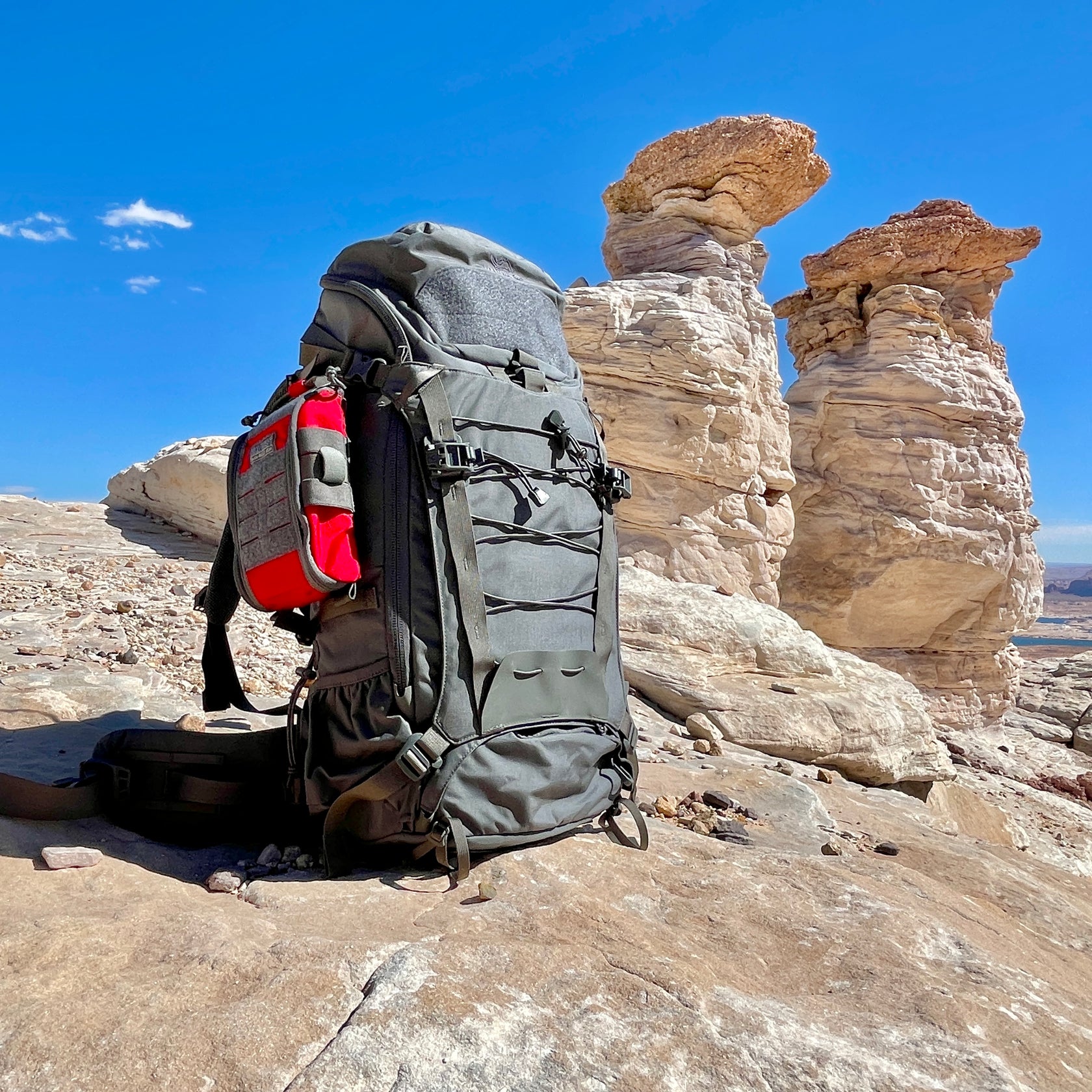


Heat illness sits on a spectrum, and the line between the manageable end and the deadly end can be crossed in minutes. Confusing heat exhaustion with heat stroke — or waiting to see which one it is — costs lives every summer. This guide gives you the one symptom that separates them and the exact field response for each. It's part of our complete wilderness first aid guide.
Why the difference matters so much
Heat exhaustion is the body struggling to cope with heat: uncomfortable, but recoverable with rest and cooling. Heat stroke is the body's temperature regulation failing — core temperature climbs high enough to damage the brain and organs. Heat stroke is a true medical emergency with a real death rate, and every minute of delay in cooling worsens the outcome. Treat it like the life threat it is.
The one symptom that changes everything: mental status
If you remember nothing else, remember this: a change in mental status means heat stroke until proven otherwise. Confusion, slurred speech, stumbling, bizarre or aggressive behavior, seizures, or loss of consciousness in someone who's been in the heat is the alarm bell. Someone with heat exhaustion is miserable but still makes sense. Someone with heat stroke doesn't.
The old teaching that heat stroke victims have “hot, dry skin” is unreliable — in exertional heat stroke (the kind hikers, athletes, and workers get), the person is often still sweating heavily. Don't wait for dry skin. Judge by the brain, not the skin.
Side-by-side: heat exhaustion vs. heat stroke
| Sign | Heat exhaustion | Heat stroke (emergency) |
|---|---|---|
| Mental status | Alert, oriented, making sense | Confused, altered, combative, or unconscious |
| Core temperature | Normal to mildly elevated | Very high (dangerously so) |
| Skin | Cool, pale, clammy, heavy sweat | Hot; may be sweating or dry |
| Symptoms | Headache, nausea, dizziness, weakness, cramps | The above plus confusion, seizures, collapse |
| Response | Rest, cool, hydrate — usually recovers | Aggressive cooling + call 911 now |
What to do for heat exhaustion
- Stop activity and move to shade or the coolest available spot.
- Have the person lie down and elevate the legs.
- Loosen or remove excess clothing.
- Cool actively: wet the skin, fan them, and place cool compresses on the neck, armpits, and groin.
- Sip cool water or an electrolyte drink if they're alert and not nauseated.
An instant cold pack tucked into a kit gives you immediate cooling for those high-blood-flow areas when there's no cold water nearby. If the person doesn't clearly improve within 30–60 minutes, or they get worse, treat it as heat stroke and call for help.

What to do for heat stroke
Heat stroke is cool first, transport second. The priority is dropping core temperature as fast as possible:
- Call 911 immediately (or activate your emergency plan / satellite messenger in the backcountry).
- Cool aggressively, right now. Cold-water immersion is the gold standard if you have a creek, lake, or tub. If not, drench the person, fan continuously, and pack ice or cold packs on the neck, armpits, and groin.
- Keep cooling until they improve or help arrives. Don't stop to “check” — continuous cooling is what saves the brain.
- Protect the airway. If they're unconscious and breathing, place them in the recovery position. Do not force fluids into someone who is altered.
Preventing heat illness in the first place
Hydrate before you're thirsty and replace electrolytes on long, hot efforts. Pace yourself during the hottest hours, wear light and breathable clothing, and build in shade breaks. Watch your group — people rarely recognize their own confusion, so partners catch heat stroke earlier than the victim does. A reflective emergency rescue blanket can double as improvised shade to get someone out of direct sun fast.
Frequently asked questions
What's the single fastest way to tell heat stroke from heat exhaustion?
Mental status. If the person is confused, altered, or unconscious, treat it as heat stroke and cool aggressively while calling 911. If they're miserable but thinking clearly, it's likely heat exhaustion.
Should I give water to someone with heat stroke?
No — not if they're confused or unconscious. They can't protect their airway and may choke. Focus on cooling and getting EMS. Fluids are for alert heat-exhaustion patients.
Is cold-water immersion safe?
For exertional heat stroke it's the most effective cooling method and is widely recommended when available. Keep the airway above water and keep cooling until help arrives.
How long until heat exhaustion becomes heat stroke?
There's no fixed clock — it can escalate in minutes if activity continues in the heat. That's why you stop, rest, and cool at the first signs rather than pushing on.
Can you get heat stroke without exercising?
Yes. “Classic” heat stroke affects the elderly, infants, and people in hot indoor environments without exertion. The response — rapid cooling and 911 — is the same.
Start here: Heat illness is one of many backcountry emergencies. For the full framework, read our complete wilderness first aid guide.
Disclaimer: This article is for educational purposes only and is not a substitute for professional medical care or certified training. Seek qualified instruction (e.g., Stop the Bleed, TCCC) before relying on any trauma equipment.
Find similar articles:
cooling heat exhaustion heat illness heat stroke hyperthermia outdoor safety wilderness first aidMentioned in this article
More stories

Wilderness First Aid: The Complete Guide to Backcountry Medical Preparedness