

Most first aid kits are built backwards. They start with band-aids and antiseptic wipes, then maybe add a tourniquet as an afterthought. A MARCH-compliant IFAK flips that logic: it is organized around the MARCH protocol — Massive hemorrhage, Airway, Respiration, Circulation, Hypothermia — the assessment sequence used in Tactical Combat Casualty Care to address the most lethal, most treatable injuries first. Build your kit letter by letter and you end up with gear that matches how trauma actually kills, not how drugstore shelves are stocked. Here is the complete gear list, one concrete pick per letter, plus honest guidance on building versus buying pre-stocked.
M — Massive Hemorrhage
Extremity bleeding is the top preventable cause of death in trauma, so this is where your money goes first. Two items cover it:
- Tourniquet: the CAT Gen 7 is the most widely fielded CoTCCC-recommended tourniquet in the world. Buy from an authorized dealer — counterfeit CATs are a real problem on marketplace sites, and a fake windlass that snaps under load is worse than nothing.
- Wound packing gauze: NAR Z-fold wound packing gauze handles junctional wounds (groin, armpit, neck base) where a tourniquet cannot reach. The Z-fold design feeds smoothly into a wound cavity, and the X-ray detectable strip matters once the casualty reaches surgery.
For a deeper dive on when to use which, read our M — Massive Hemorrhage guide.
A — Airway
Your primary airway tools are positioning and a single adjunct. A pre-lubricated NAR nasopharyngeal airway (28F) is the standard IFAK pick: compact, inexpensive, and the adjunct TCCC recommends for casualties with an intact gag reflex. Be clear-eyed about this one — an NPA is a tool for trained hands. Carry it so a trained responder on scene has it available, and get the training yourself so you are that responder.
R — Respiration
Penetrating chest trauma needs occlusive dressings, and vented seals are the current TCCC preference. The HyFin Vent Chest Seal twin pack is the standard answer: two seals per pack (entry and exit wounds), aggressive adhesive that sticks to sweaty or bloody skin, and channels designed to let air escape the chest while preventing it from re-entering. Our A & R deep dive covers vented versus unvented seals and why needle decompression stays in the trained-provider lane.
C — Circulation
Once major bleeding is controlled, you reinforce and maintain it. The 6-inch Emergency Trauma Dressing (ETD) is a compact pressure bandage that holds packed gauze in place with real, sustained pressure — think of it as the second half of every wound-packing job. It also handles the moderate bleeds that do not justify a tourniquet.
H — Hypothermia
Trauma casualties lose the ability to regulate body temperature, and hypothermia feeds the lethal triad that makes bleeding harder to stop — even in warm weather. The cheapest life-safety item in your whole kit is a heat-reflective mylar emergency blanket. It weighs a couple of ounces and takes up less room than a deck of cards. There is no excuse to skip it.
The Pouch: Vanquest FATPack 4x6
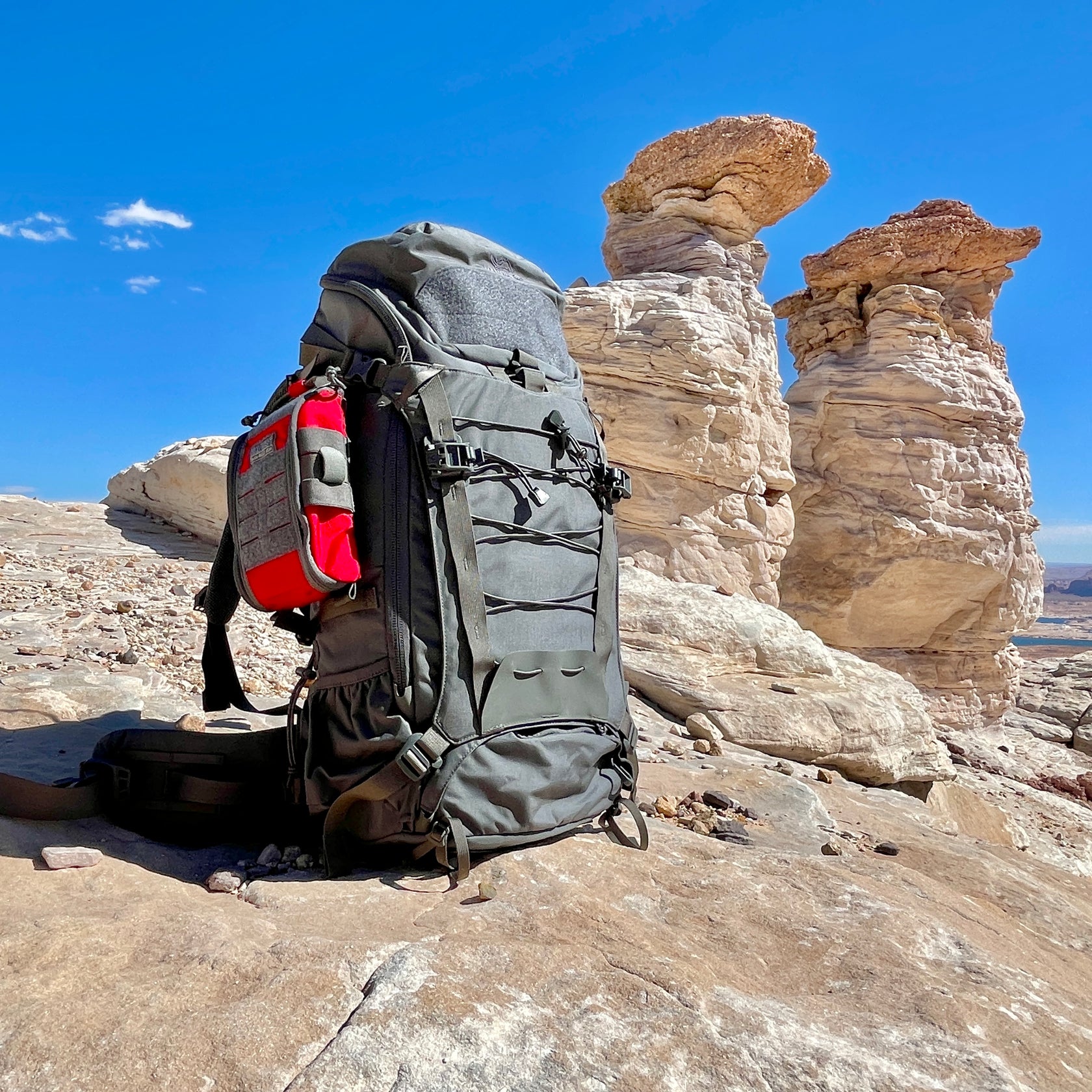
All of this needs a home that opens fast under stress. The Vanquest FATPack 4x6 (Gen-2) is our pick for a first IFAK: tear-open front panel, elastic organization that keeps items staged in MARCH order, and MOLLE compatibility for a belt, bag, or vehicle headrest. It is big enough for the full list above and small enough that you will actually carry it. Add nitrile gloves and trauma shears from our kit components collection and the build is complete.
Build It Yourself vs. Buy It Stocked
Both paths are legitimate. Here is the honest comparison:
- Building from scratch teaches you your kit. You handle every item, you know exactly where everything sits, and you can source each component to your preference. The Build My IFAK Bundle lets you pick components without hunting them down individually.
- Buying pre-stocked gets you a vetted, MARCH-organized kit today with zero research risk — no accidentally ordering a training-blue tourniquet or an off-brand chest seal. Our stocked kits collection covers everything from pocket kits to full trauma loadouts, and the Best IFAKs of 2026 roundup ranks them by use case.
The pre-stocked route usually costs slightly more than piecing it together, but the difference is small — and either way you should open the kit, inventory it, and repack it yourself so nothing inside is a surprise.
Budget Guidance
A complete MARCH-compliant build — CAT Gen 7, wound packing gauze, NPA, HyFin twin pack, ETD, emergency blanket, gloves, shears, and the FATPack 4x6 — typically lands in the $150–$200 range. If you need to phase purchases, buy in MARCH order: tourniquet and gauze first, because massive hemorrhage kills fastest. What you should not do is economize with no-name tourniquets or chest seals. Skip a nice-to-have before you gamble on the item that has to work the first time.
Gear Is Half the Equation
An IFAK is a promise to yourself that you will know how to use what is in it. A Stop the Bleed course takes about 90 minutes and covers tourniquets, wound packing, and direct pressure with hands-on practice. Take the course, then build the kit — or do it the other way around, but do both. For the full framework behind this gear list, start with our MARCH protocol guide.
This article is for educational purposes only and is not medical advice; seek professional training and consult qualified medical professionals.
Mentioned in this article
More stories