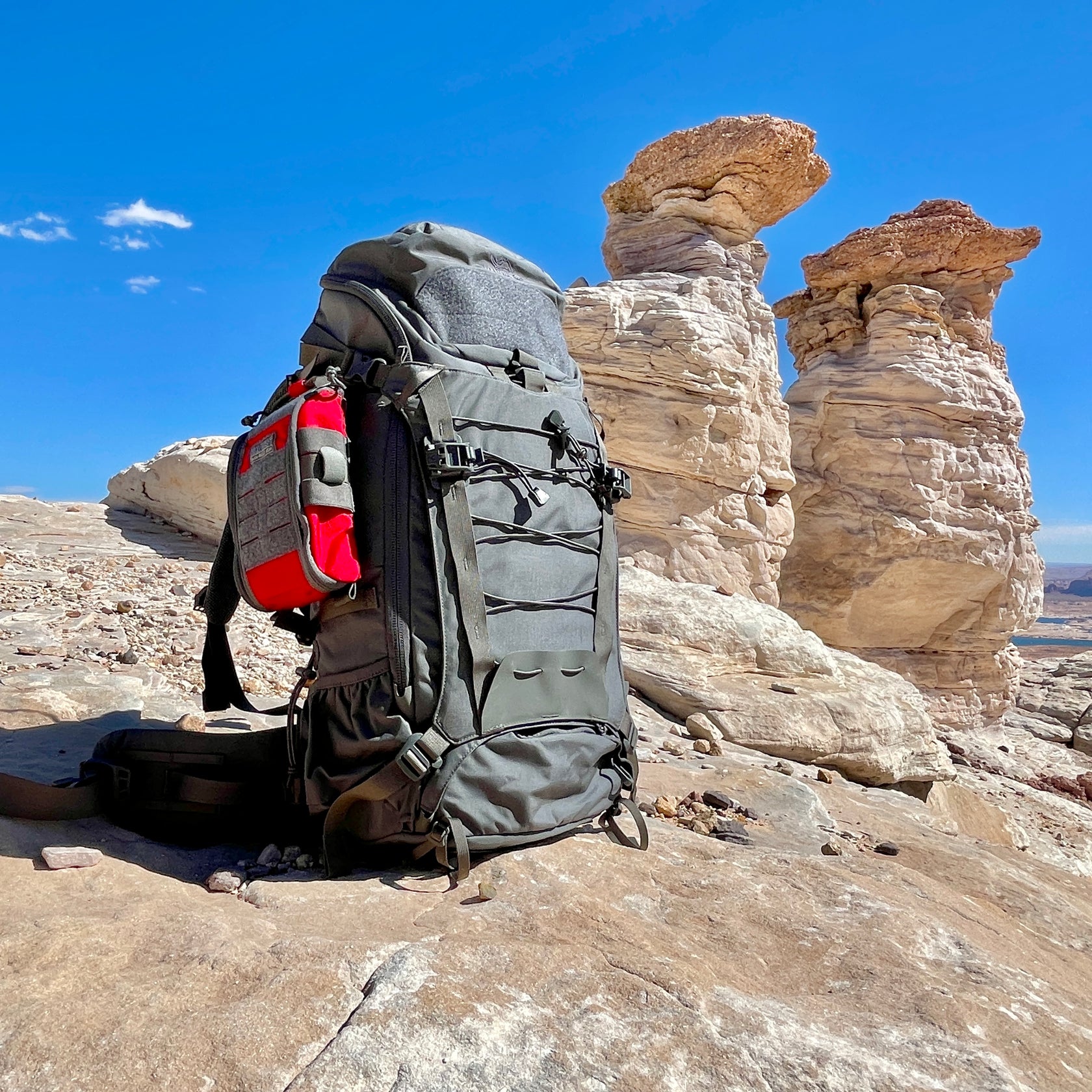

Firefighter · IFAK · Station Kit

Firefighter
IFAK

Your station has a medical bag. Maybe two. The chief bought them after the last near-miss. But when you're on a working structure fire, 20 minutes from the nearest trauma center, and your brother goes through the floor — that bag is on the rig. And you're in the hole. This isn't about replacing your station kit. It's about what you carry when the station kit isn't there.

What your station kit is missing — and what to carry personally for structure fires, extrications, and wildland ops.
EnvironmentStructure/Wildland
Response20+ minutes
CarryTurnout/Personal
PriorityHemorrhage

Station kits are great — until they're not. Here's what to carry personally for the calls where seconds matter and the rig is blocks away.

What Your Station Kit Is Missing

🚒
Station Kit
On the rig, comprehensive
🎒
Personal IFAK
On your person, immediate
⏱️
Response Gap
2-5 min vs 20+ min
The Reality: Station kits live on the rig. When you're in a burning building, a trench collapse, or a confined space rescue, the rig isn't coming in with you. Your personal IFAK is what you have for the first critical minutes before EMS can reach you.

Personal Carry: What To Add

🩹
Tourniquet
CAT Gen 7, always on you
💨
Chest Seals
Twin pack, vented
🩸
Hemostatic Gauze
QuikClot or Celox
🧤
Nitrile Gloves
Heavy-duty, 4+ pairs
🔦
Pen Light
For pupil checks
📝
Sharpie
Mark TQ time

Minimum Personal Loadout

On Every Call: Tourniquet (CAT Gen 7 or SOF-T Wide) in a belt pouch or boot | Chest seals (twin pack, vented) in helmet bag or turnout pocket | Hemostatic gauze (2 packages minimum) | Nitrile gloves (4+ pairs, heavy-duty 8mil+) | Pen light (for pupil checks) | Sharpie (for marking tourniquet application time)

Where To Carry

Turnout Gear: Helmet bag (chest seals, gauze) | Turnout pocket (gloves, pen light) | Boot pouch (tourniquet)
Station Wear: Duty belt medical pouch | Cargo pocket (compact loadout)
Wildland: Webbing pouch | Pack attachment point

Structure Fire Considerations

Heat Degradation

Problem: Medical supplies degrade rapidly in heat. Chest seal adhesive fails at 140°F+. Nitrile gloves become sticky. Hemostatic agents lose potency.
Solution: Keep your personal IFAK in the helmet bag or turnout pocket — NOT on the exterior of gear. Rotate supplies every 6 months if exposed to structure fire conditions.

Contamination Risk

Problem: Soot, chemicals, and particulates contaminate exposed medical supplies.
Solution: Keep supplies in sealed hard cases or heavy-duty zip bags. Never carry loose items in turnout pockets. Replace any supplies that were exposed to smoke or chemicals.

Access Under Stress

Problem: You're in full PPE, SCBA on, zero visibility. Fine motor skills are gone.
Solution: Use muscle memory. Practice accessing your IFAK with gloves on. Mark pouches with tactile indicators (different textures, raised markings) so you can find them by feel.

Extrication & Technical Rescue

Additional Items for Tech Rescue

Add to Personal IFAK: Trauma shears (compact, fits in pocket) | Burn dressing (4x4 minimum for flash fires) | Eye shield (for metal shards, wood chips) | Triangular bandage (sling for falls) | CPR mask (for confined space rescue)

Placement for Rescue Ops

Best Practice: Attach a dedicated medical pouch to your harness or rescue webbing. Make it visible to your team — they should know where it is if you're the one in trouble. Use a red cross or "MED" marking for quick ID.

Wildland Fire Considerations

Extended Operations

Challenge: Wildland fires mean hours or days away from the rig. You're self-sufficient.
Solution: Carry a full IFAK in your pack, not just a blowout kit. Include: Pressure bandage (Israeli or OLAES) | NPA (size 28 or 30) | Additional hemostatic gauze (4+ packages) | Burn dressing (large, 8x8) | Blister care (moleskin, tape) | Personal medications (EpiPen, inhaler if needed)

Heat & UV Exposure

Challenge: Wildland conditions = extreme heat, direct UV, dust, and sweat.
Solution: Use a hard case (not a soft pouch). Store in the coolest part of your pack (bottom, away from your back). Replace supplies every 3-4 months during fire season. Check chest seal adhesive before every shift.

The Bottom Line

Your station kit is for when the rig can reach you. Your personal IFAK is for when it can't.

Structure fires, extrications, wildland ops — these are the calls where you're on your own for the first critical minutes. Don't rely on gear that's parked 20 minutes away.

Carry personal. Train personal. Trust personal. Because when you're in the hole, the only medical kit that matters is the one you have with you.

Firefighter IFAK Kits

Configured for structure fires, extrications, and wildland ops. Used by departments nationwide.

Build your loadout · Pouches & Bags · More Guides

Related: shop pre-built IFAKs & trauma kits, learn the MARCH protocol, or browse our training resources.

Leave a comment

Please note: comments must be approved before they are published.

Mentioned in this article

More stories

Off-duty nurse trauma kit — Pocket ACE personal modular IFAK — Urban Medical Gear

The Off-Duty Nurse's Trauma Kit: What to Actually Carry

# The Off-Duty Nurse's Trauma Kit: What to Actually Carry You're off the clock. Grocery store, gas station, your kid's soccer game. Then it hap...

Urban Medical Gear ·
Law enforcement blowout kit — CAT Gen-7 Combat Application Tourniquet for hemorrhage control — Urban Medical Gear

Building a Law Enforcement Blowout Kit: Beyond the Duty Belt

Law Enforcement · Blowout Kit · Officer Safety Law EnforcementBlowout Kit You carry a firearm. You train on it. You qualify with it. ...

Urban Medical Gear ·